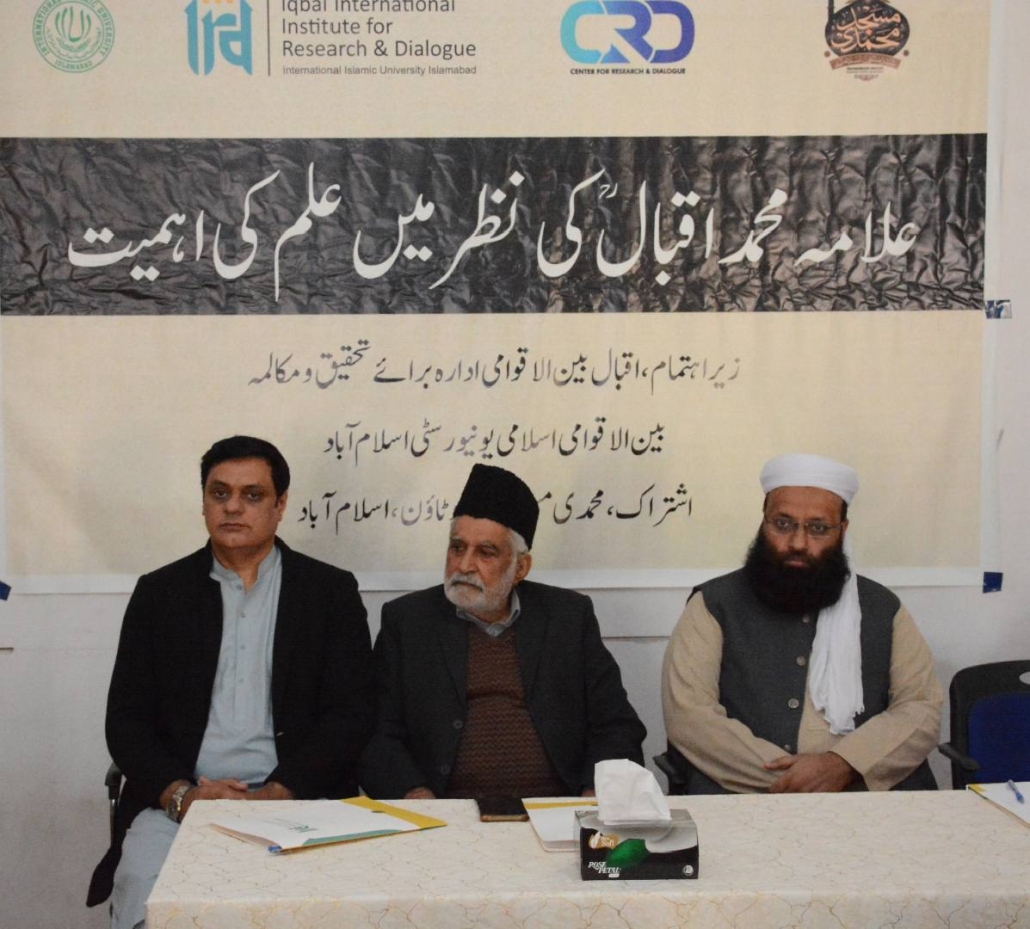
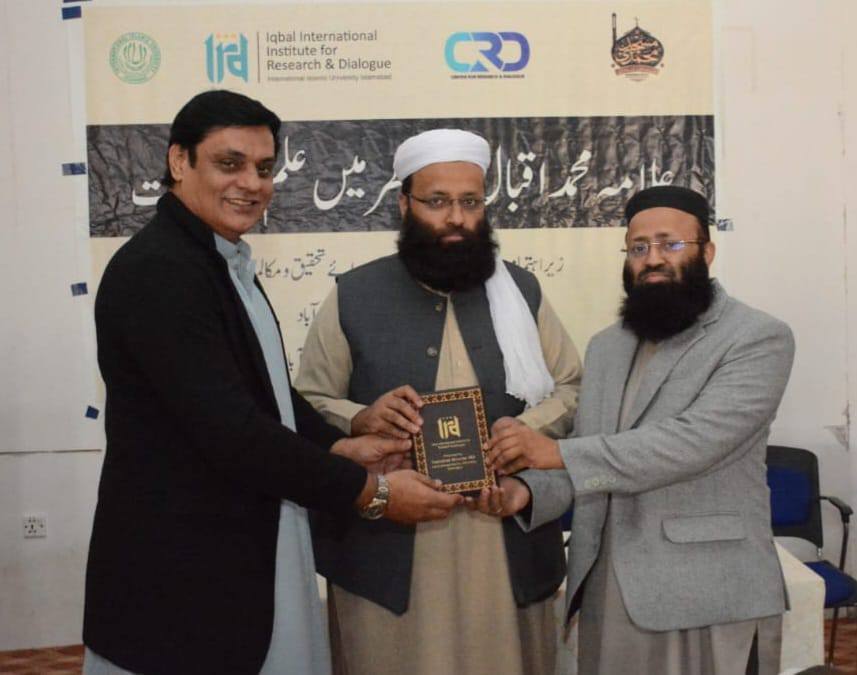
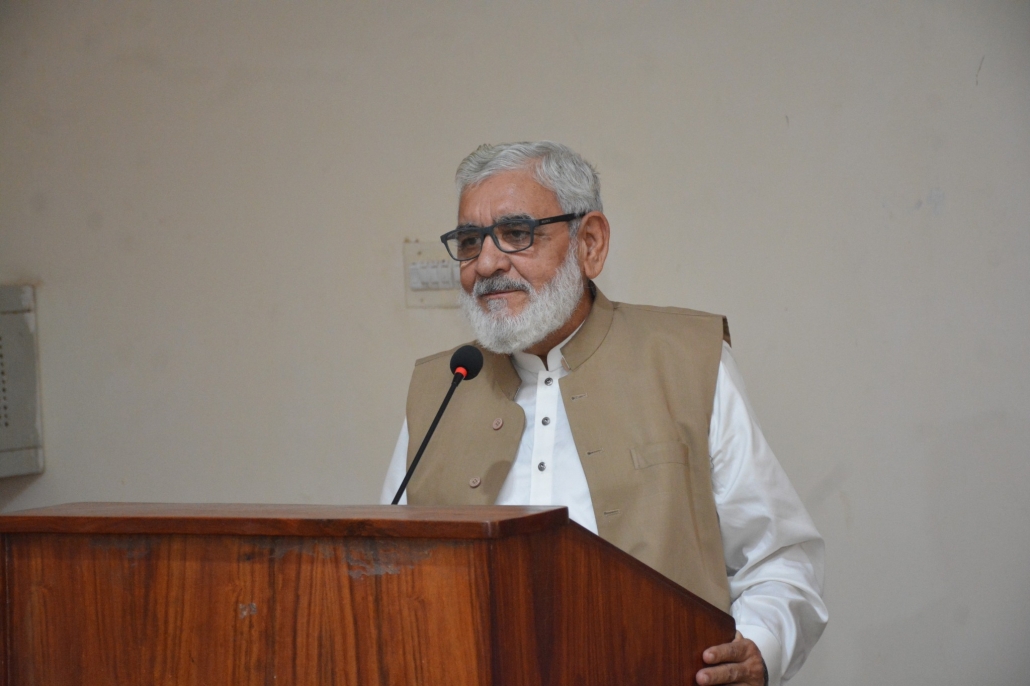
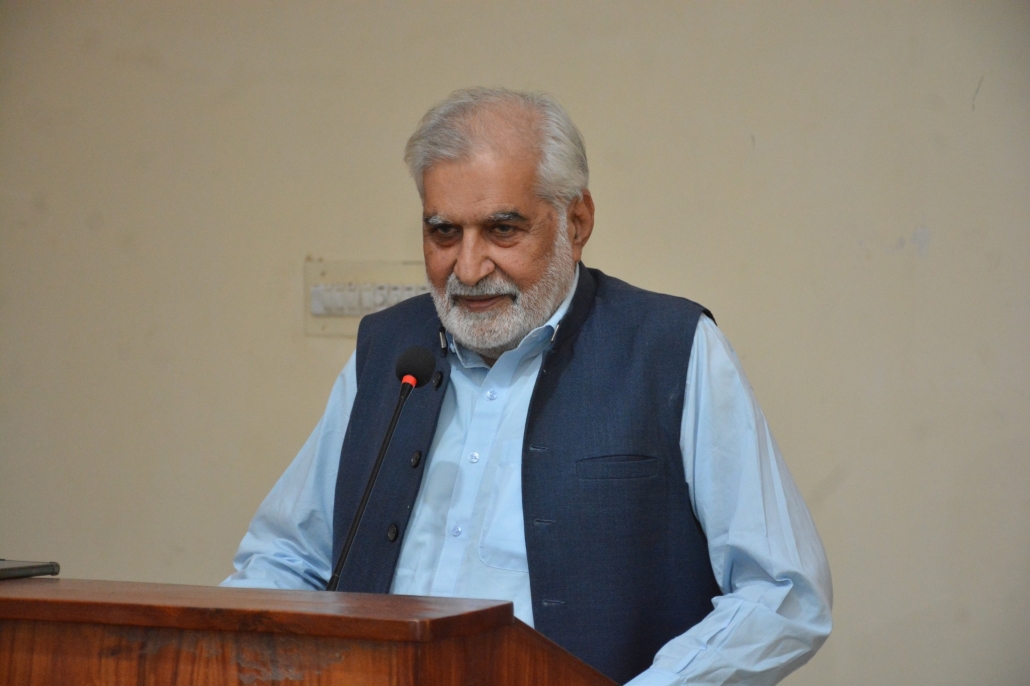
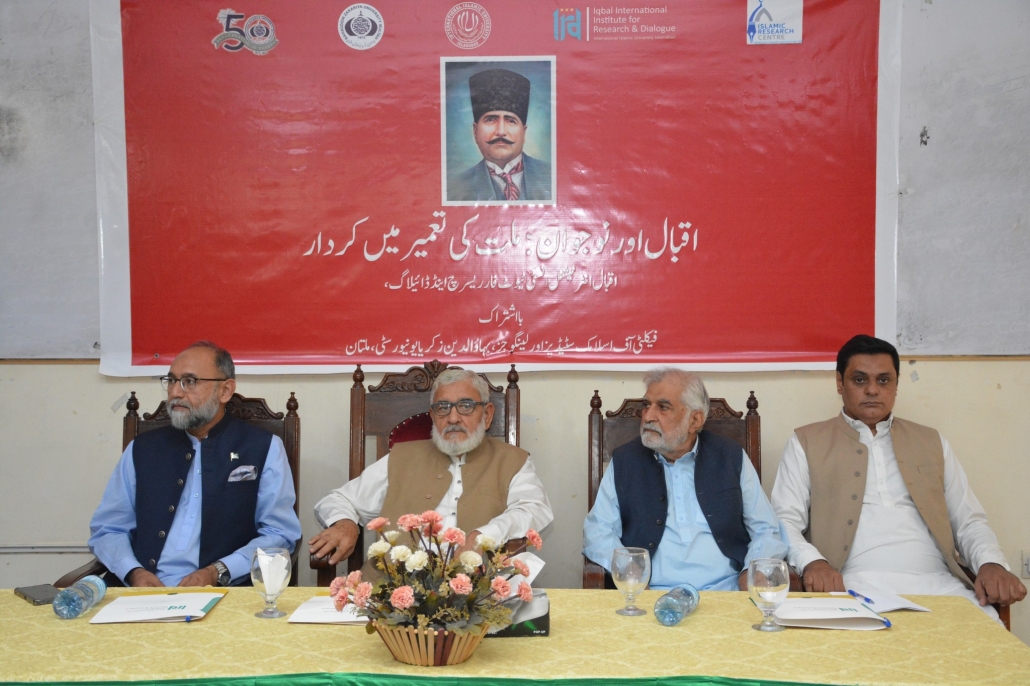
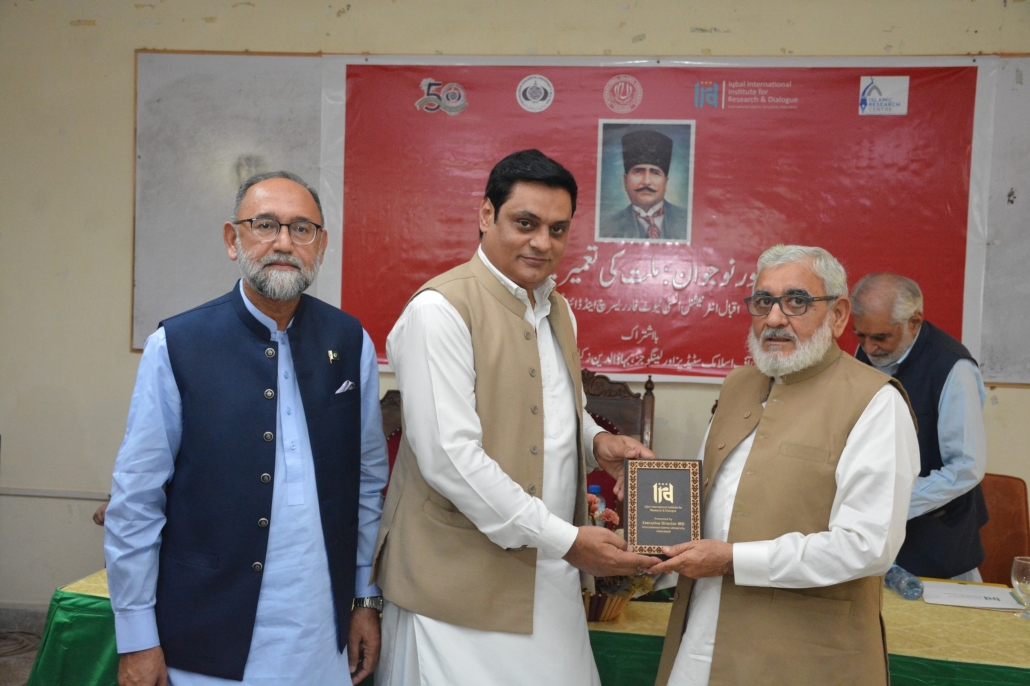
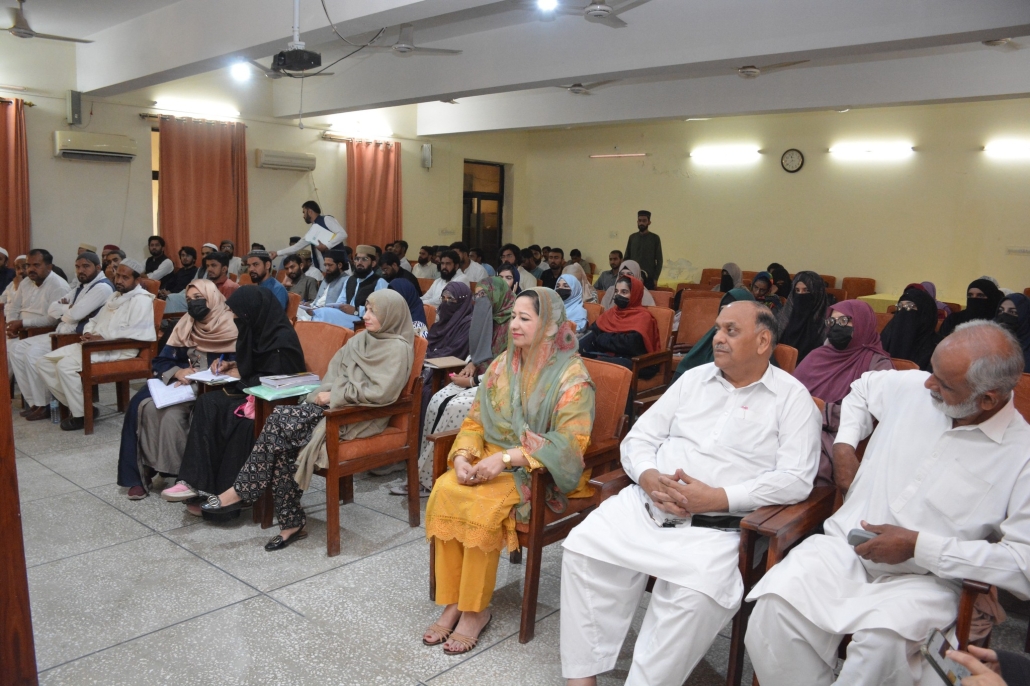
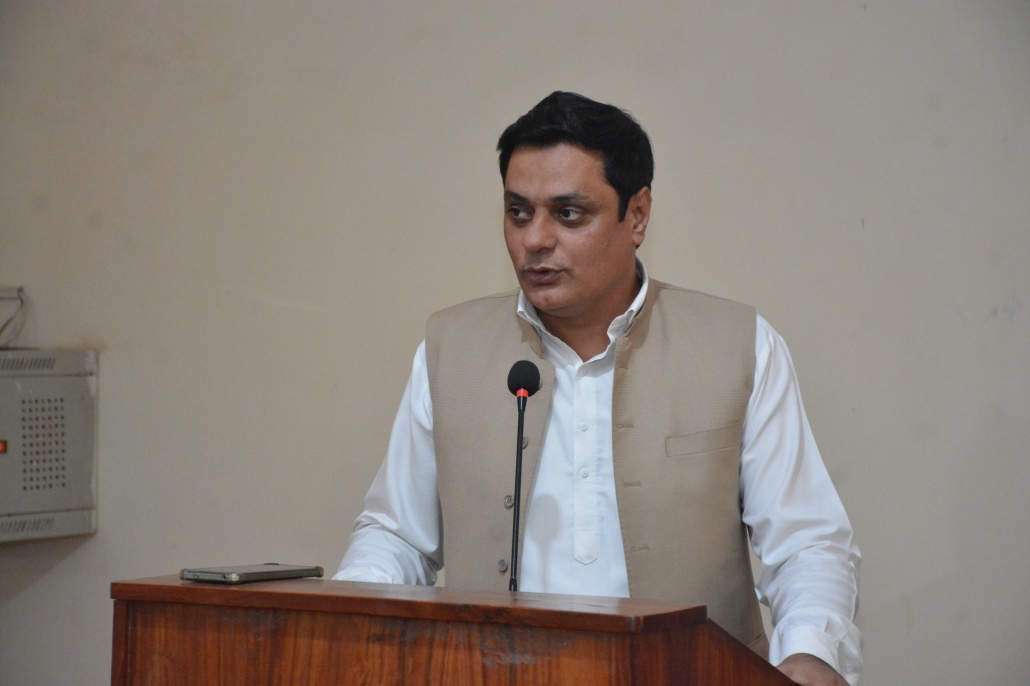
The Iqbal International Institute for Research and Dialogue (IRD) organized an academic lecture titled “علامہ اقبال کی نظر میں علم کی اہمیت” at Madrassa Muhammadi Masjid, Shehzad Town, Islamabad. Mr. Nasir Farid, Additional Director IRD, introduced the Institute,
highlighting its academic, research, and peace-building initiatives, and noted that the lecture marked IRD’s first outreach event at a madrassa in line with the vision of the President, IIUI.
The keynote address by renowned scholar Dr. Talib Hussain Sial focused on Allama Iqbal’s concept of knowledge, emphasizing intellectual awakening, moral responsibility, and societal progress. Mr. Maulana Abdul Quddus Muhammadi appreciated IRD’s efforts, while active student participation reflected the lecture’s relevance and impact.
https://ird.iiu.edu.pk/wp-content/uploads/2025/12/605115002_1310626157749182_7922879614270842655_n-1.jpg5951868Abrar ul Aminhttps://ird.iiu.edu.pk/wp-content/uploads/2025/08/Transpirant-300x120.pngAbrar ul Amin2025-12-23 19:04:002025-12-29 07:16:18IRD Organizes Lecture on Allama Iqbal’s Concept of Knowledge
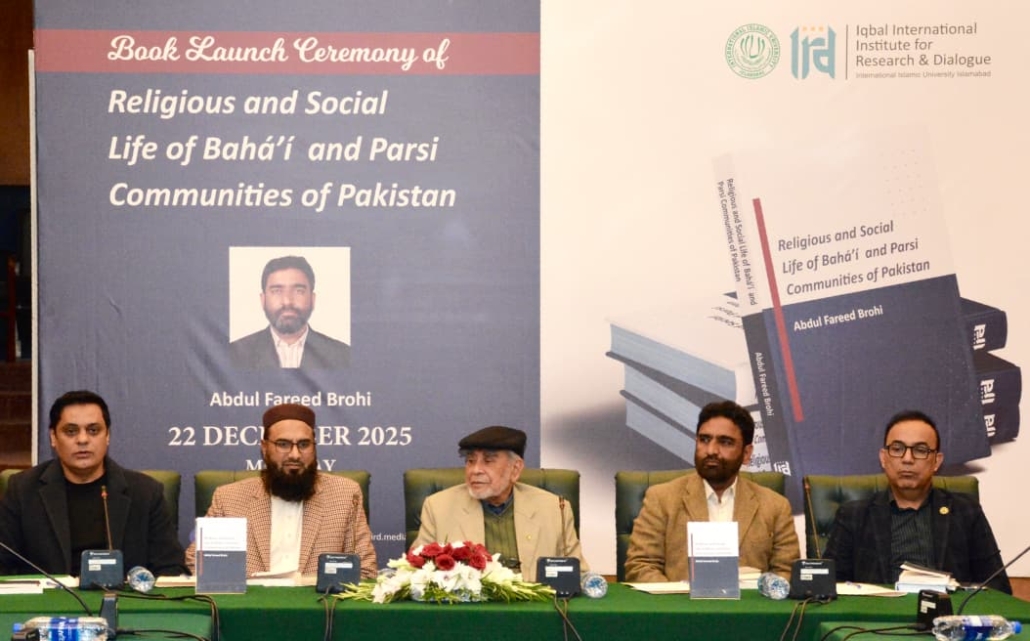
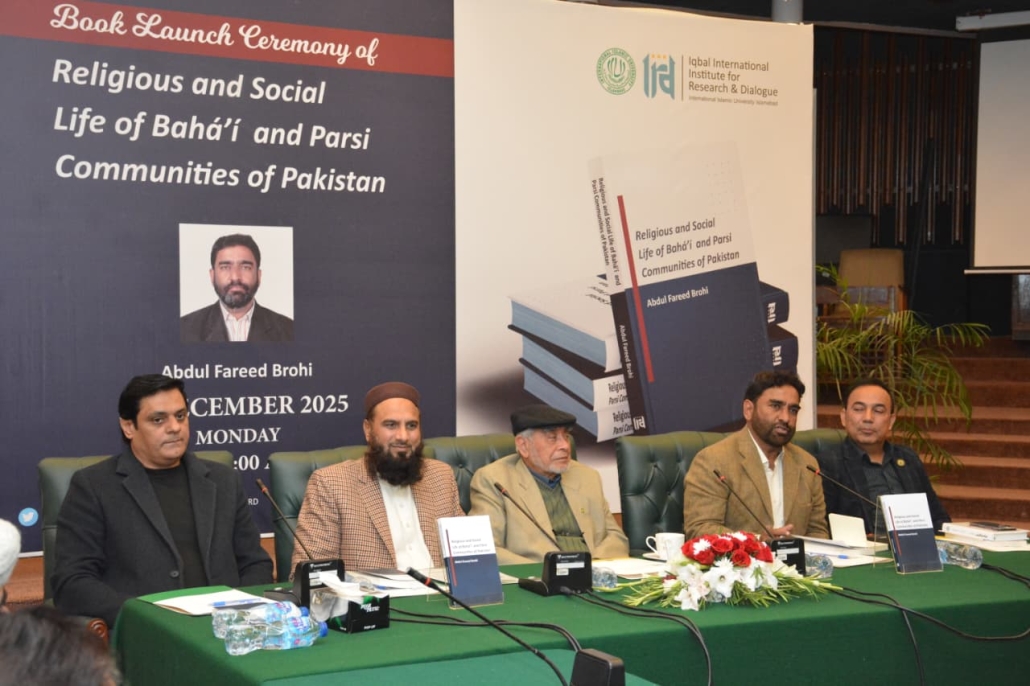
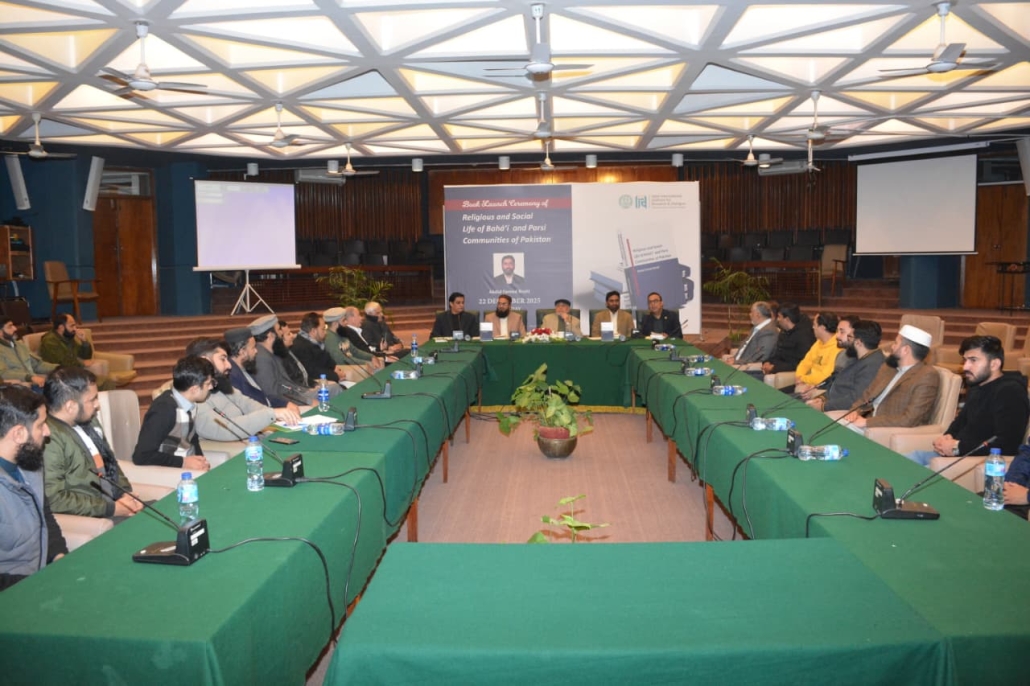
The Iqbal International Institute for Research and Dialogue (IRD), International Islamic University Islamabad (IIUI), organized a book launch ceremony for its recent publication titled Religious and Social Life of Baha’i and Parsi Communities of Pakistan, authored by Dr. Abdul Fareed Brohi. The academic event was held under the patronage of Prof. Dr. Ahmed Saad Alahmed, President International Islamic University Islamabad (IIUI).
Dr. Anis Ahmad, Vice Chancellor, Riphah International University Islamabad, graced the ceremony as Chief Guest. In his address, he appreciated IRD for its continued academic engagement and constructive research initiatives. He commended the author for selecting a sensitive and intellectually relevant topic and noted that in the contemporary multicultural and multireligious global environment, Islam advocates peaceful coexistence and guarantees the right of followers of other faiths to practice their religious beliefs and rituals.
Dr. Anis Ahmad categorically rejected the notion that Islam allows violence against non-Muslims and stated that negative propaganda against Islam and Pakistan lacks factual basis. He emphasized that Pakistan is a safe country for religious minorities and that they are not subjected to systematic injustice or victimization within society.
Earlier, Dr. Muhammad Akram, Director General, Shariah Academy IIUI, highlighted the scholarly value of the publication and termed it a significant contribution for both general readers and researchers. He stated that the book represents the first comprehensive academic study of its kind in Pakistan and adds meaningfully to national and international scholarship in the fields of interfaith studies and religious sociology.
Author of the book, Dr. Abdul Fareed Brohi, explained that the study presents an objective and analytical overview of the Baha’i and Parsi communities, tracing their historical origins to Iran and examining their religious practices, social structures, and methods of identity preservation. He shared that Baha’i communities are present in Karachi, Peshawar, and Islamabad and operate through an organized National Spiritual Assembly. He further emphasized that religious minorities in Pakistan enjoy constitutional protection and religious freedom, and that these communities maintain peaceful relations with the broader society.
Dr. Sohail bin Aziz, Director NRKNA, also addressed the gathering and appreciated the author’s effort in producing a well-researched work on an important and under-explored subject.
At the outset, Mr. Nasir Farid, Additional Director IRD, welcomed the Chief Guest, speakers, and participants, and briefed the audience about the mandate of IRD and the academic importance of the publication.
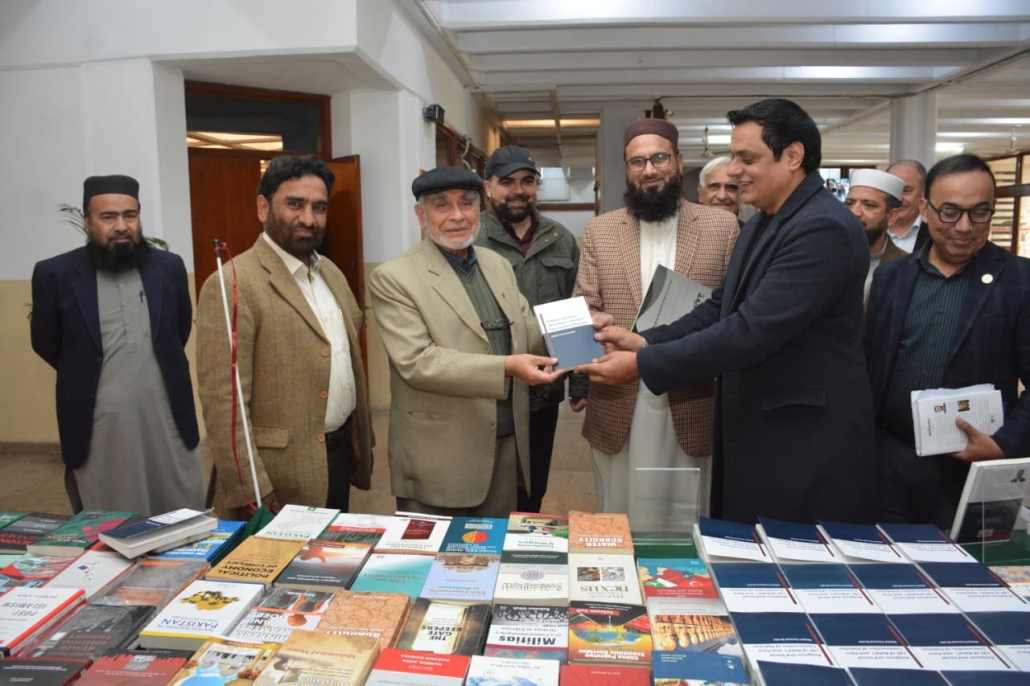
The ceremony concluded with the distribution of the book among participants, while commemorative shields were presented to the Chief Guest and distinguished speakers.
https://ird.iiu.edu.pk/wp-content/uploads/2025/12/IMG-20251222-WA0153.jpg6561054Abrar ul Aminhttps://ird.iiu.edu.pk/wp-content/uploads/2025/08/Transpirant-300x120.pngAbrar ul Amin2025-12-22 20:33:002025-12-29 08:41:01IRD Hosts Book Launch on Religious and Social Life of Baha’i and Parsi Communities of Pakistan
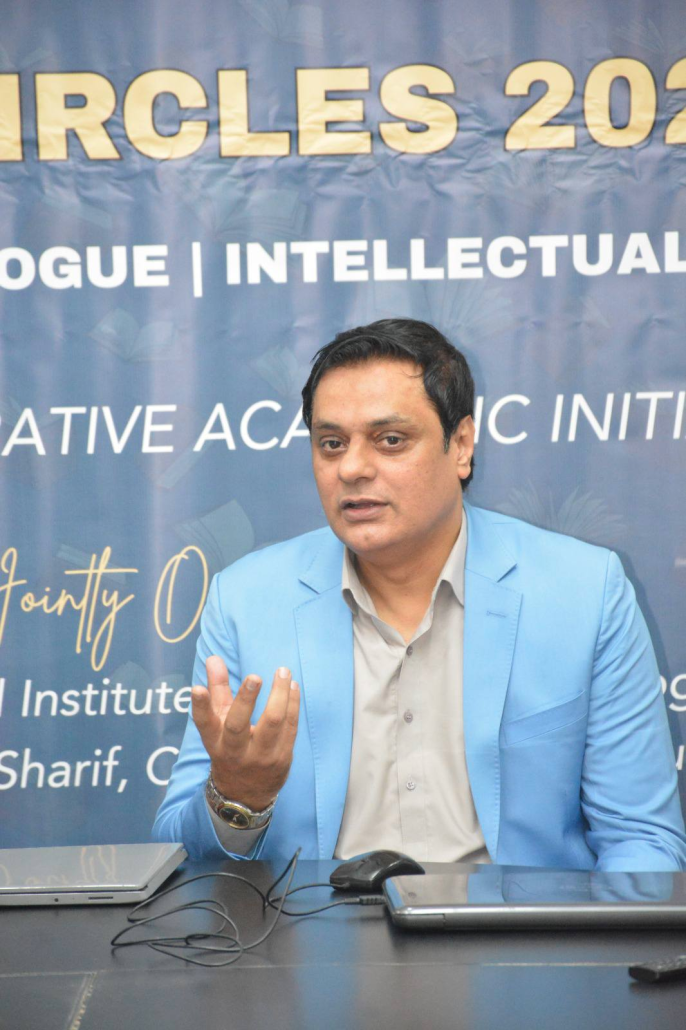
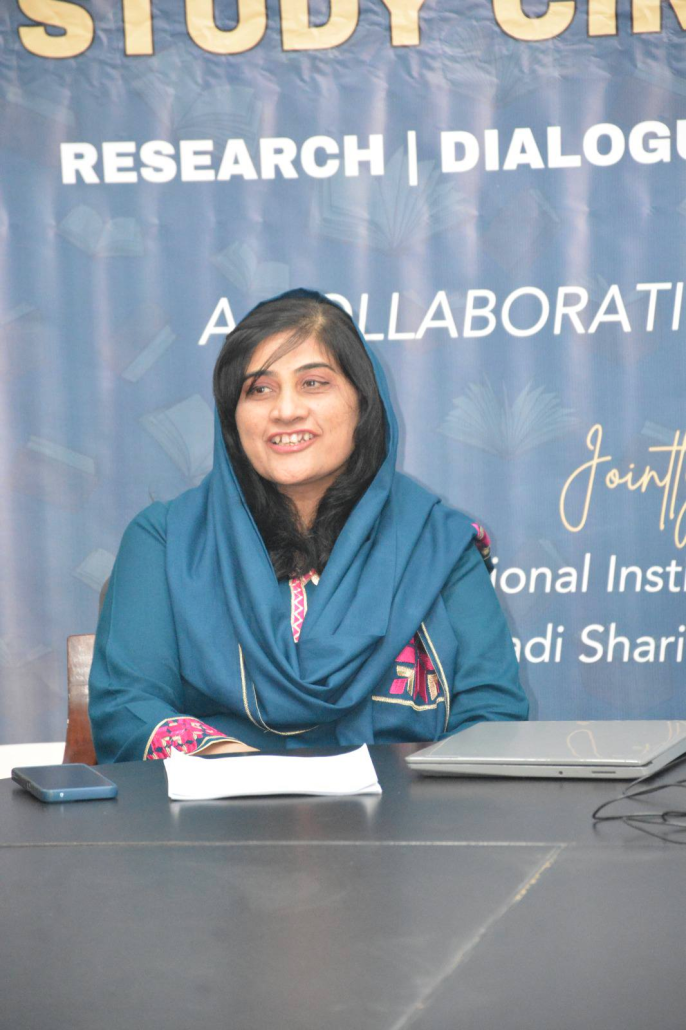
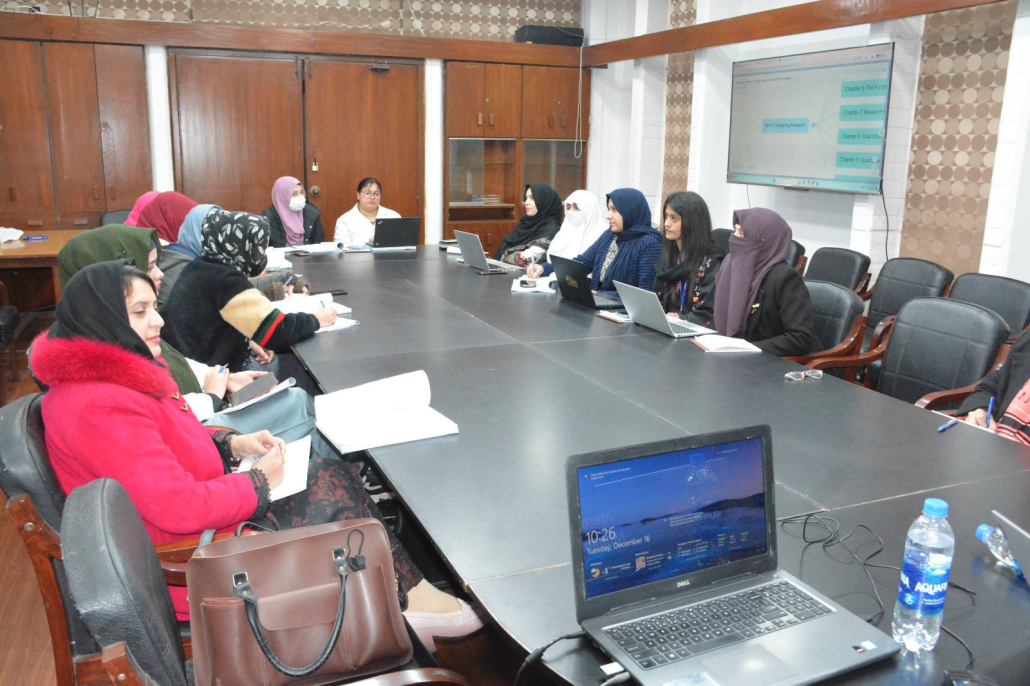
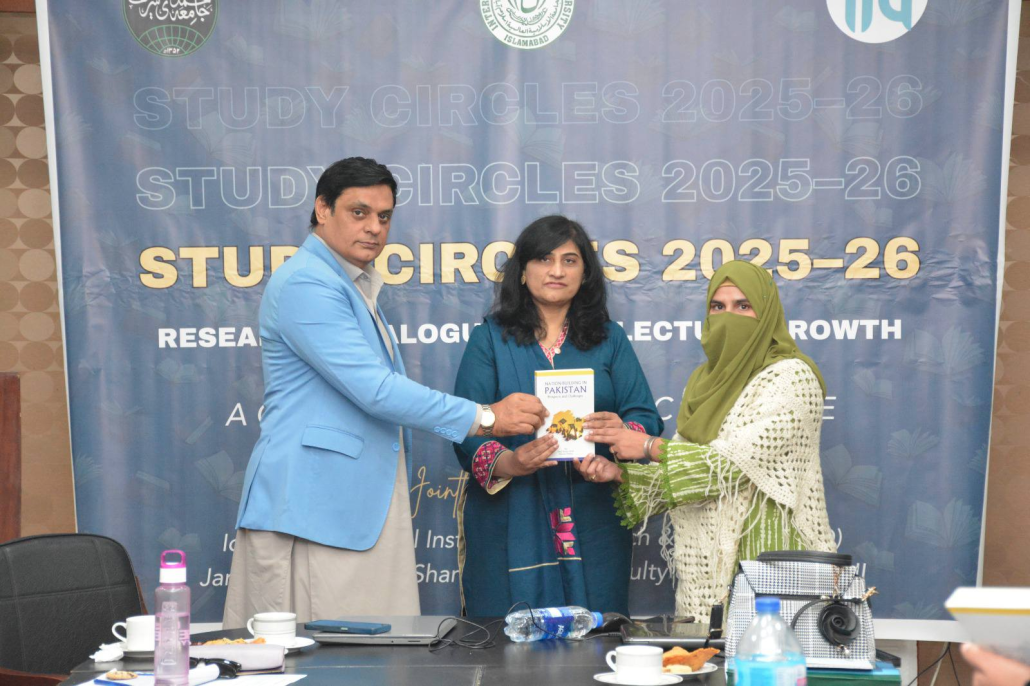
The Iqbal International Institute for Research and Dialogue (IRD), in collaboration with Jamia Muhammadi Sharif, Chiniot, and the Faculty of Education, has initiated a Study Circle titled “Enhancing Research, Writing, and Presentation Skills.” The first session focused on foundational concepts of educational research based on John W. Creswell’s Research Design, highlighting research approaches, scholarly inquiry, and methodological alignment.
Facilitated by Dr. Fouzia Ajmal, the session emphasized collaborative learning, critical thinking, and academic writing skills. Additional Director IRD, Mr. Nasir Farid, noted that the initiative promotes collective inquiry and research-oriented thinking among faculty members and postgraduate scholars. The Study Circle will continue as a regular academic forum to strengthen research capacity at IIUI.
https://ird.iiu.edu.pk/wp-content/uploads/2025/12/600833569_1303093151835816_3094078927154571604_n.jpg13332048Abrar ul Aminhttps://ird.iiu.edu.pk/wp-content/uploads/2025/08/Transpirant-300x120.pngAbrar ul Amin2025-12-16 19:01:002025-12-19 07:36:22Study Circle on Research Skills Initiated at IRD
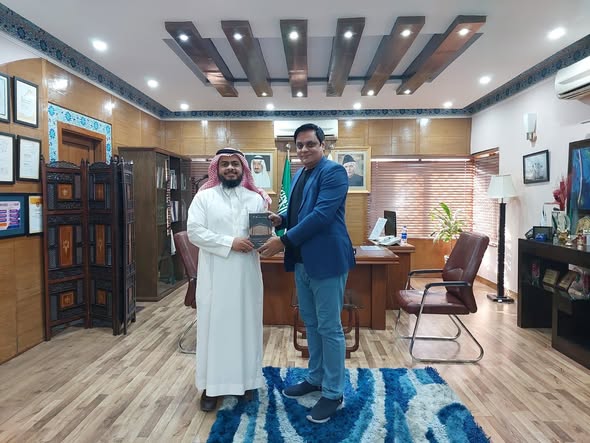
The Iqbal International Institute for Research and Dialogue (IRD), IIUI, has released a new volume titled “دینی مدارس: انصاف اور نظام تعلیم” featuring research by Dr. Syed Aziz ur Rehman. The book, produced under the guidance of President IIUI, Prof. Dr. Ahmed Saad Alahmed, explores key themes related to Pakistan’s dini madaris.
Additional Director IRD, Mr. Nasir Farid, presented a copy to the President IIUI.
https://ird.iiu.edu.pk/wp-content/uploads/2025/12/593338164_1292904316188033_1141728311143506527_n.jpg443590Abrar ul Aminhttps://ird.iiu.edu.pk/wp-content/uploads/2025/08/Transpirant-300x120.pngAbrar ul Amin2025-12-03 07:28:122025-12-03 07:28:14IRD Unveils New Publication on Dini Madaris
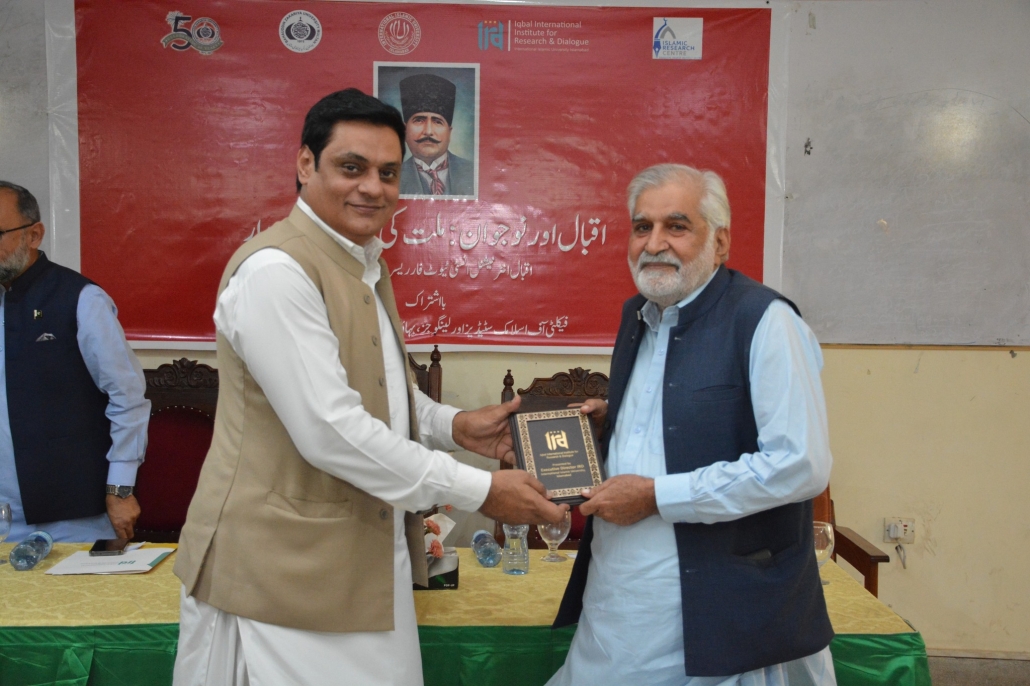
The Iqbal International Institute for Research and Dialogue (IRD) of the International Islamic University Islamabad (IIUI) organized an intellectual session titled “Iqbal and Youth: Role in Nation Building” at the Faculty of Islamic Studies and Languages, Bahauddin Zakariya University (BZU), Multan. The event brought together faculty members, scholars, social figures, and students from the region.
Addressing the inaugural session, Nasir Fareed, Additional Director of IRD, highlighted that Allama Iqbal regarded the youth as the vital strength of the Ummah and that nation-building could only be achieved through knowledge, action, and self-realization. He said that understanding Iqbal’s message enables youth to face contemporary challenges and contribute meaningfully to the country’s progress. He also briefed participants on IRD’s objectives, stating that the institute continues to organize such programs nationwide to promote Iqbal’s thought among the younger generation.
Renowned scholar Prof. Dr. Ali Asghar Saleemi elaborated on Iqbal’s philosophical concepts, especially the role of youth in reviving the Muslim Ummah through selfhood and constructive engagement.
In his keynote address, Dr. Talib Hussain Sial, an expert on Iqbal studies, connected Iqbal’s intellectual message with modern-day realities, emphasizing that Iqbal’s philosophy is a call for youth to recognize their potential and become purposeful contributors to the development of the Muslim world. He said that Iqbal associated the rise of nations with the moral and intellectual development of their youth.
Dean of the Faculty of Islamic Studies and Languages, Prof. Dr. Abdul Qudoos Suhaib, thanked the organizers and participants and underscored the importance of continuing such academic and intellectual initiatives. He appreciated the revival of IRD’s programs at BZU after a pause, noting that the institute is now advancing its goals with renewed vigor.
The ceremony concluded with the distribution of shields and IRD publications among guest speakers and students who recited Iqbal’s poetry. The participants expressed gratitude to IIUI President Prof. Dr. Ahmed Saad Alahmed for his leadership and support, noting that under his guidance, IRD and other university institutions are making significant academic progress
https://ird.iiu.edu.pk/wp-content/uploads/2025/10/571268826_1262157229262742_3668770112358165103_n.jpg13652048Abrar ul Aminhttps://ird.iiu.edu.pk/wp-content/uploads/2025/08/Transpirant-300x120.pngAbrar ul Amin2025-10-24 17:09:002025-10-28 05:21:01IIUI’s IRD held a session in Multan highlighting Allama Iqbal’s message on youth and nation building
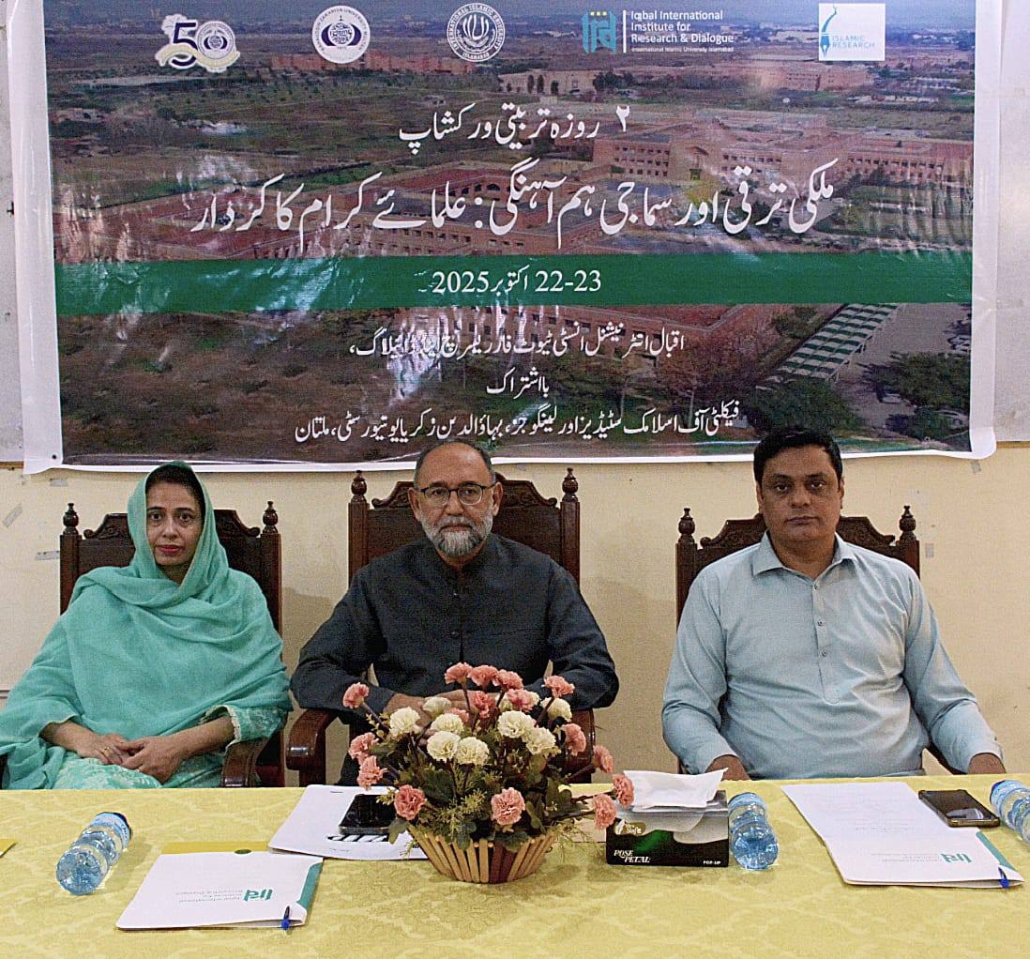
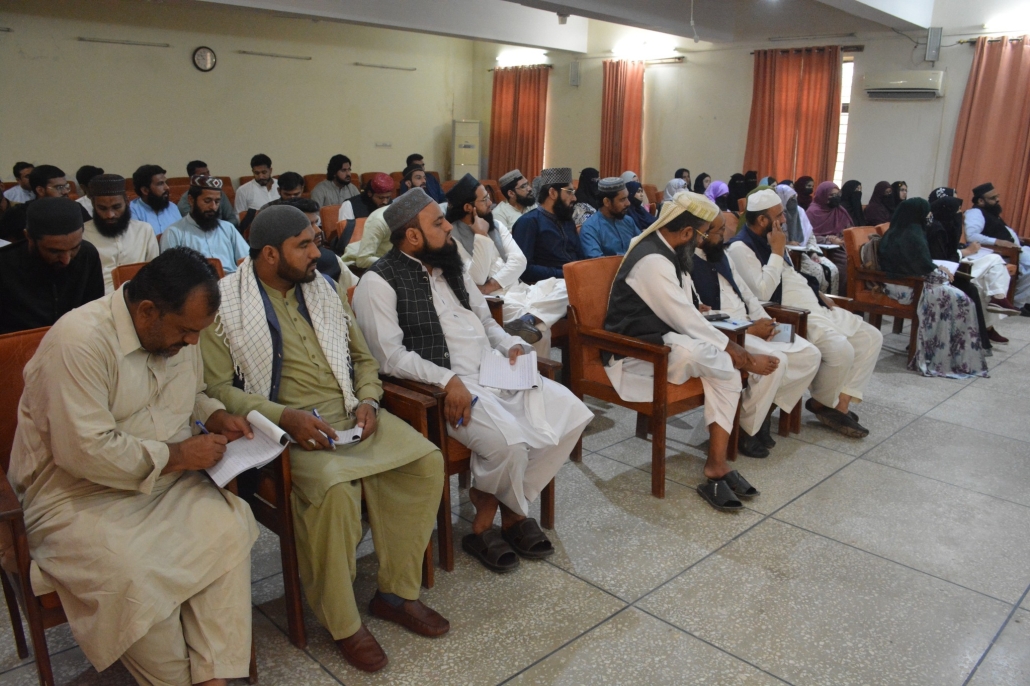
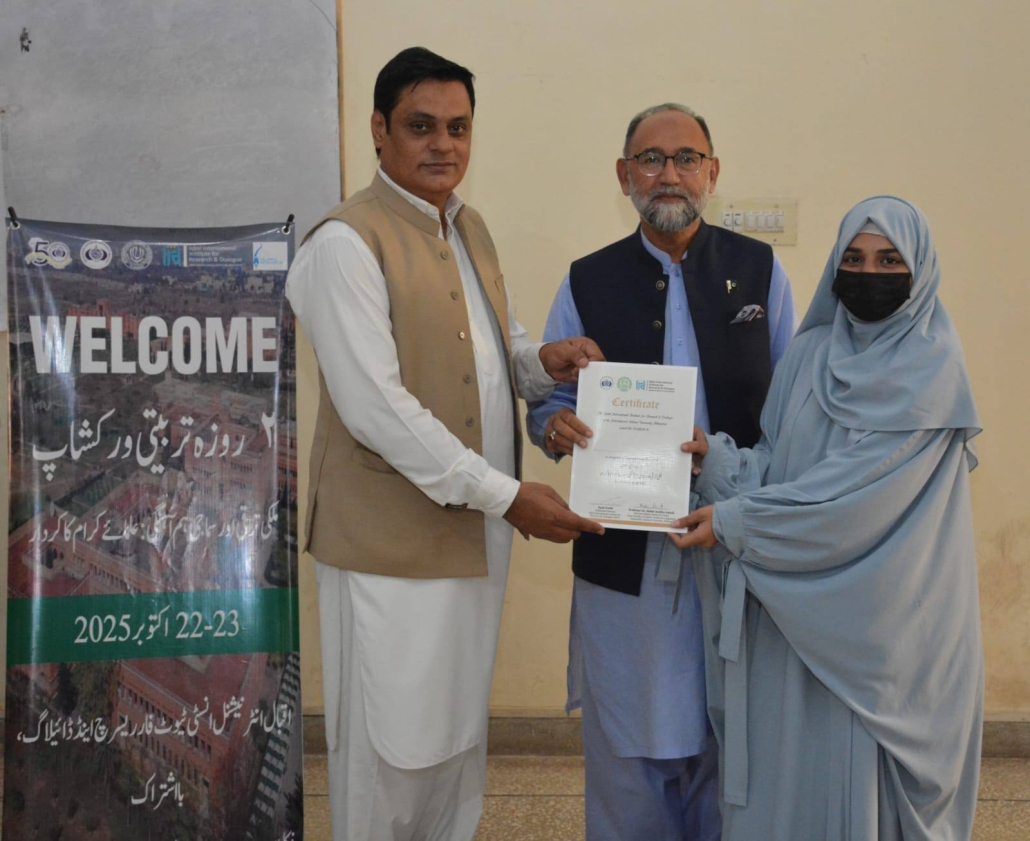
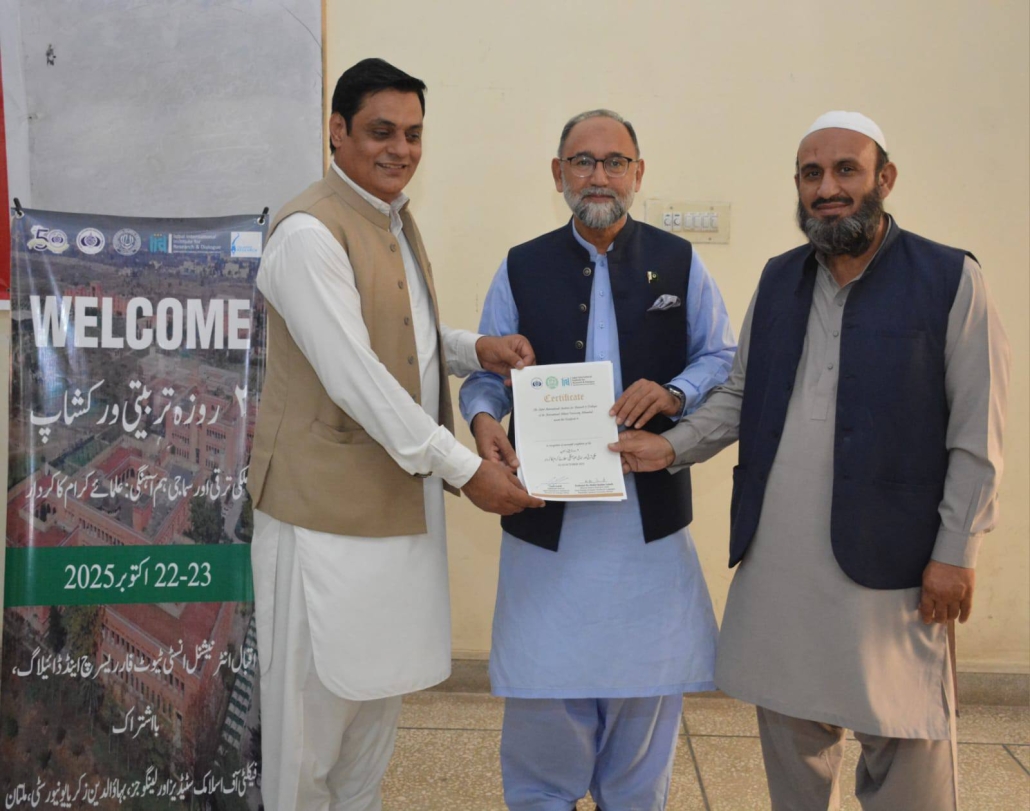
Multan — A two-day training workshop titled “National Development and Social Harmony: The Role of Religious Scholars” began at the Faculty of Islamic Studies and Languages, Bahauddin Zakariya University (BZU), Multan. The event is organized by the Iqbal International Institute for Research and Dialogue (IRD), International Islamic University Islamabad (IIUI).
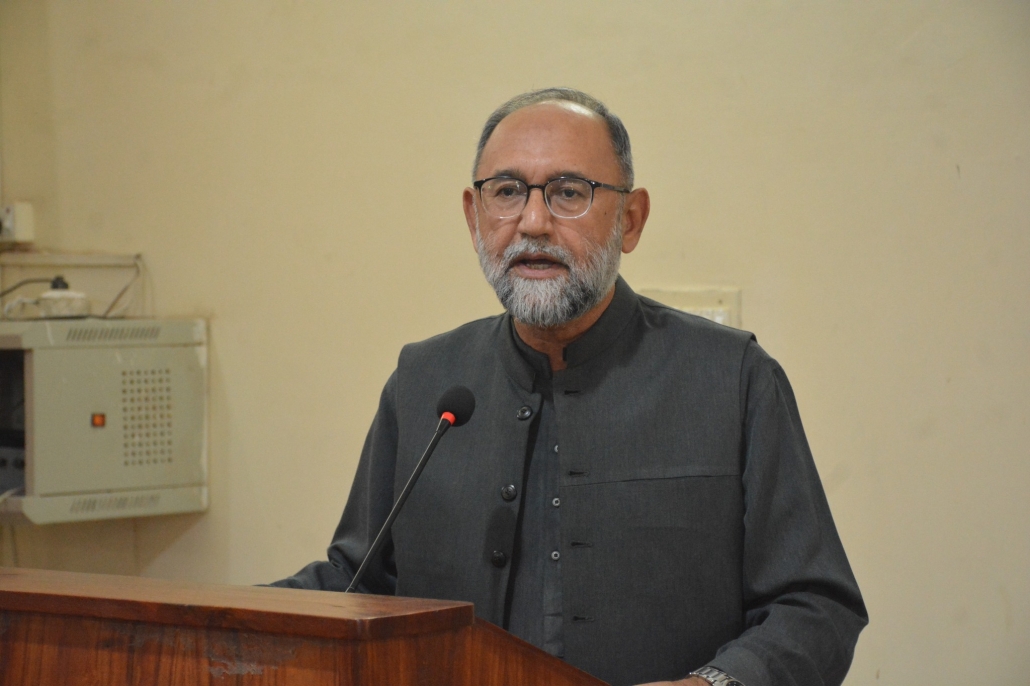
The workshop aims to highlight the role of scholars in promoting national stability, social harmony, and mutual tolerance. Addressing the opening session, Nasir Fareed, Additional Director, IRD, introduced the institute’s objectives and said that under the guidance of Prof. Dr. Ahmed Saad Alahmed, President IIUI, the IRD has been organizing workshops across the country to foster peace and a cohesive society.
He added that IRD continues to engage influential segments of society through publications, workshops, conferences, and public lectures, contributing towards a just and harmonious Pakistan.
Prof. Dr. Abdul Qudoos Sohaib, speaking on “The Importance of Dialogue in Social Harmony,” underscored that dialogue helps bridge differences and enhances understanding among people. The Dean of the Faculty of Islamic Studies and Languages at BZU said that collective efforts and open communication are essential for national progress.
Prof. Dr. Saeed-ur-Rehman, Dean at the University of Southern Punjab, Multan, emphasized that religious scholars play a crucial role in guiding society. He urged them to promote peace and stability in their sermons, noting that a peaceful society is the foundation of a prosperous nation.
https://ird.iiu.edu.pk/wp-content/uploads/2025/10/572815171_821059853984098_6862557045297592246_n.jpg10221098Abrar ul Aminhttps://ird.iiu.edu.pk/wp-content/uploads/2025/08/Transpirant-300x120.pngAbrar ul Amin2025-10-22 16:44:002025-10-28 05:03:08Two-Day Training Workshop on Scholars’ Role in National Development Begins in Multan
The Iqbal International Institute for Research and Dialogue (IRD) actively participated in two prestigious knowledge-sharing events in Islamabad during September 2025, underscoring its commitment to promoting research-based scholarship and fostering intellectual engagement.
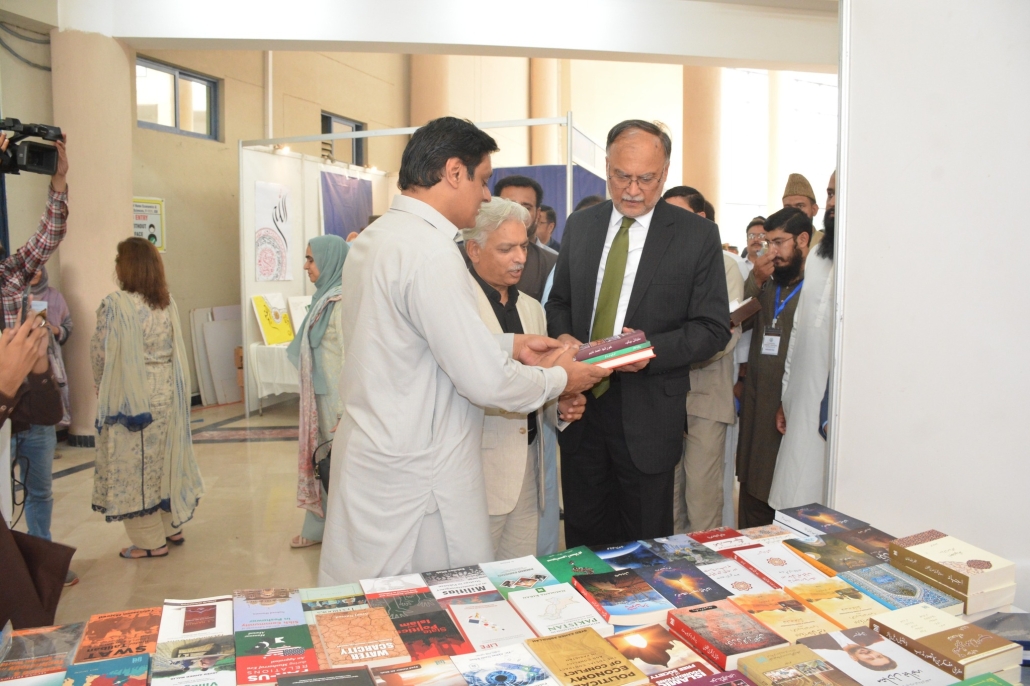
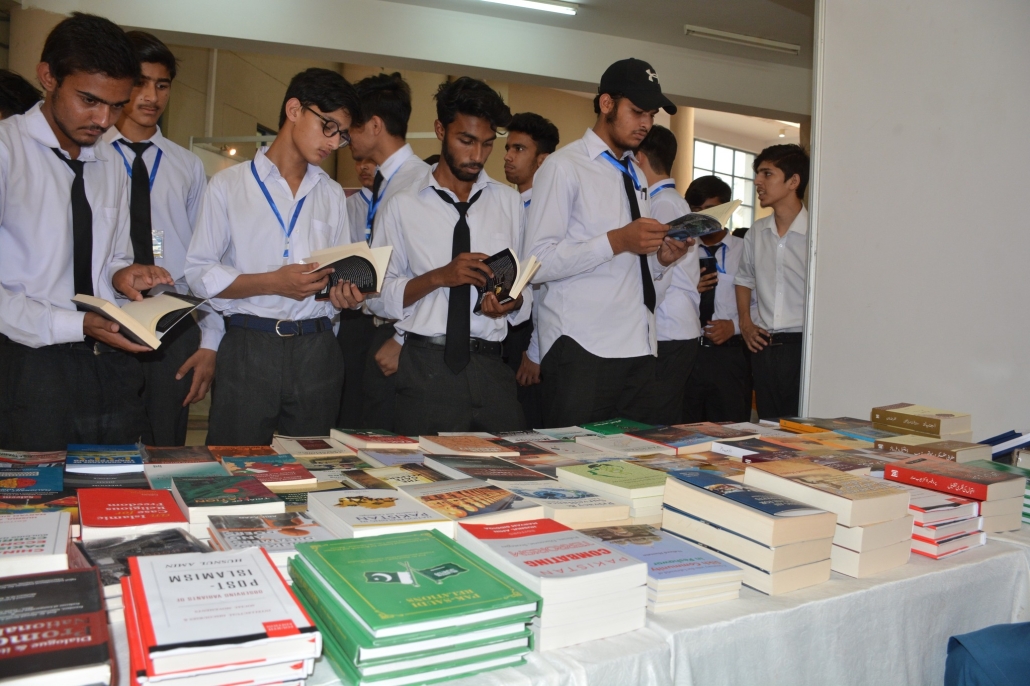
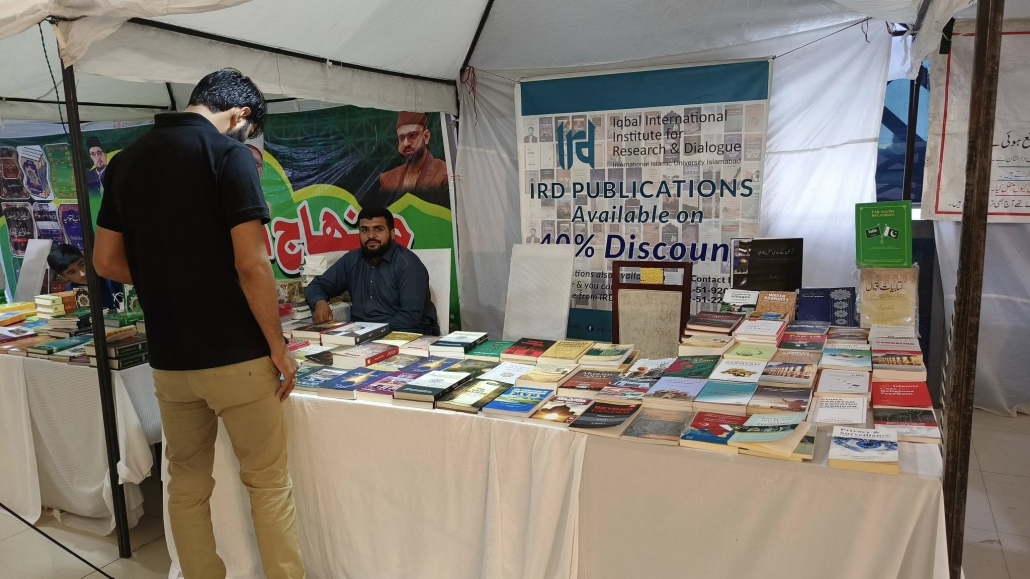
From 16–18 September 2025, IRD took part in the 2nd International Seerat Festival, organized by the National Rahmatul lil Aalameen Wa Khatamun Nabiyyin Authority (NRKNA) at the Institute of Art & Design Homoiconic, F-11/1, Islamabad. On this occasion, IRD established a dedicated stall featuring its diverse range of scholarly publications. The display drew wide attention from academics, researchers, students, and general visitors.
The stall was honored by the gracious presence of Mr. Ahsan Iqbal, Honorable Federal Minister for Planning, Development & Special Initiatives and Inter-Provincial Coordination, Government of Pakistan. The Minister commended the quality, depth, and thematic diversity of IRD’s publications. As a token of appreciation, Mr. Nasir Farid, representing the Institute, presented selected titles to the Honorable Minister, reaffirming IRD’s sustained commitment to the dissemination of knowledge.
Immediately following the Festival, IRD showcased its publications at the IBOOX 2025 International Book Exhibition, held from 19–21 September 2025 at the Pak-China Friendship Centre, Islamabad. The Institute’s participation once again received keen interest from the scholarly community, students, and general readers, further highlighting the relevance and depth of IRD’s research contributions.
Through its active engagement in both the Seerat Festival and IBOOX 2025, the Iqbal International Institute for Research and Dialogue reaffirmed its mission of advancing research-based knowledge, encouraging critical thought, and contributing to contemporary scholarly discourses at national and international forums.
https://ird.iiu.edu.pk/wp-content/uploads/2025/09/554533511_1231879738957158_4357393326537588670_n-1.jpg13652048Abrar ul Aminhttps://ird.iiu.edu.pk/wp-content/uploads/2025/08/Transpirant-300x120.pngAbrar ul Amin2025-09-22 07:49:072025-09-30 08:01:22IRD Showcases Publications at 2nd International Seerat Festival and IBOOX 2025 International Book Exhibition
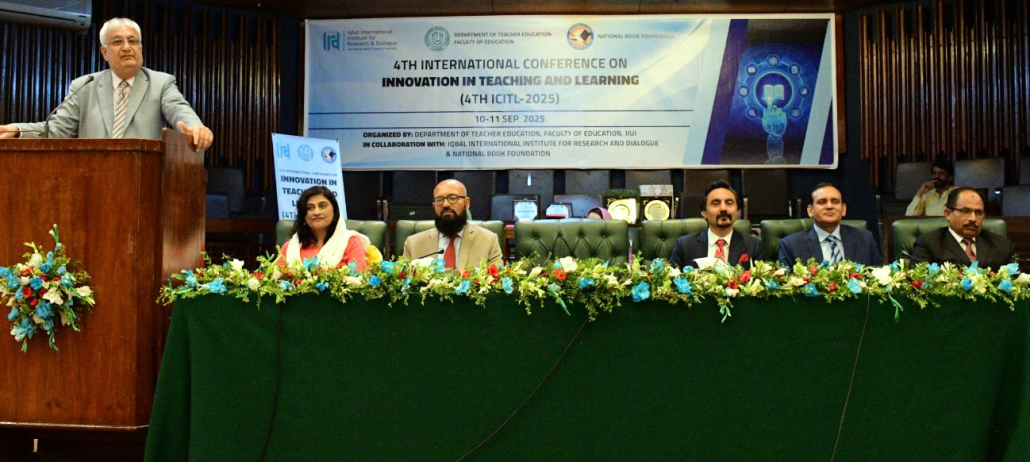
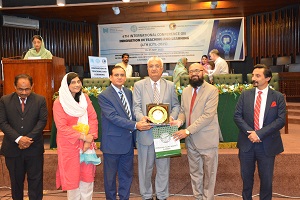
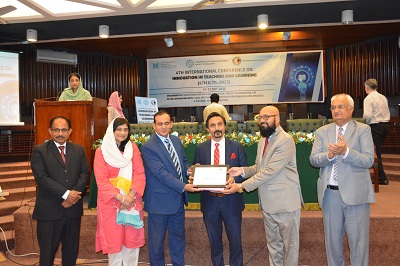
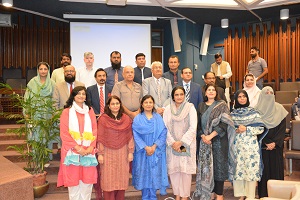
The Department of Teacher Education, Faculty of Education, International Islamic University Islamabad (IIUI), in collaboration with the Iqbal International Institute for Research & Dialogue (IRD) and the National Book Foundation, concluded the two-day 4th International Conference on Innovation in Teaching and Learning (ICITL-2025) on September 10–11.
The conference gathered national and international scholars, policymakers, and practitioners to deliberate on emerging trends in education. The sessions covered digital transformation, curriculum innovation, inclusive pedagogies, assessment reforms, and the ethical use of artificial intelligence in classrooms.
In the closing ceremony Dr. Azhar Mahmood, Incharge Programs, Faculty of Education, welcomed the participants and appreciated their active contribution over the two days.
Presenting the conference report, Dr. Fouzia Ajmal, Conference Secretary, shared that the event featured seven keynote addresses, more than 80 paper and poster presentations, and a panel discussion. The recommendations included aligning curricula with global job market needs, responsible adoption of technology and AI, standardized teacher licensing, and strengthening inclusive education through training and assistive resources.
Keynote speakers and their addresses included Prof. Dr. Jameel-Un Nabi, Vice Chancellor, University of Wah – Progressive Strategies for Dynamic Times to Improve Education and Learning, Professor James O’Meara, Dean of Global and Community Engagement, Texas A&M International University, USA – Disruptive Internationalization: Transforming Teacher Education to Provide International Experiences for All, Dr. Nur Ehsan Mohd Said, Head, Higher Education English Test (HEET) Centre, National University of Malaysia – Practice of Differentiated Instruction (DI) to Modern Classrooms, Dr. Shamsa Aziz, Secretary, NACTE – Curriculum Innovation and Accreditation of Teacher Education Programs in Pakistan: Pathways to Quality, Prof. Dr. Rukhsana Zia, Head, Center for Learning and Teaching, FC College University, Lahore – Sustainable AI Professional Development Model for Higher Education Institutions (HEIs),Dr. S. M. Mohammad Ismail, Former Vice Chancellor, South Eastern University, Sri Lanka – Higher Education in Sri Lanka: Needs and Challenges, Dr. Ahsan Ejaz, Postdoctoral Fellow, Lanzhou University, China – Impact of Artificial Intelligence (AI) on the Education and Cognitive Development of Graduates.
A panel discussion on “Developing Digital Pedagogical Mindsets among Prospective Teachers” brought together experts from Hazara University, HEC, IIUI, AIOU, and NUML, moderated by Dr. Muhammad Zafar Iqbal.
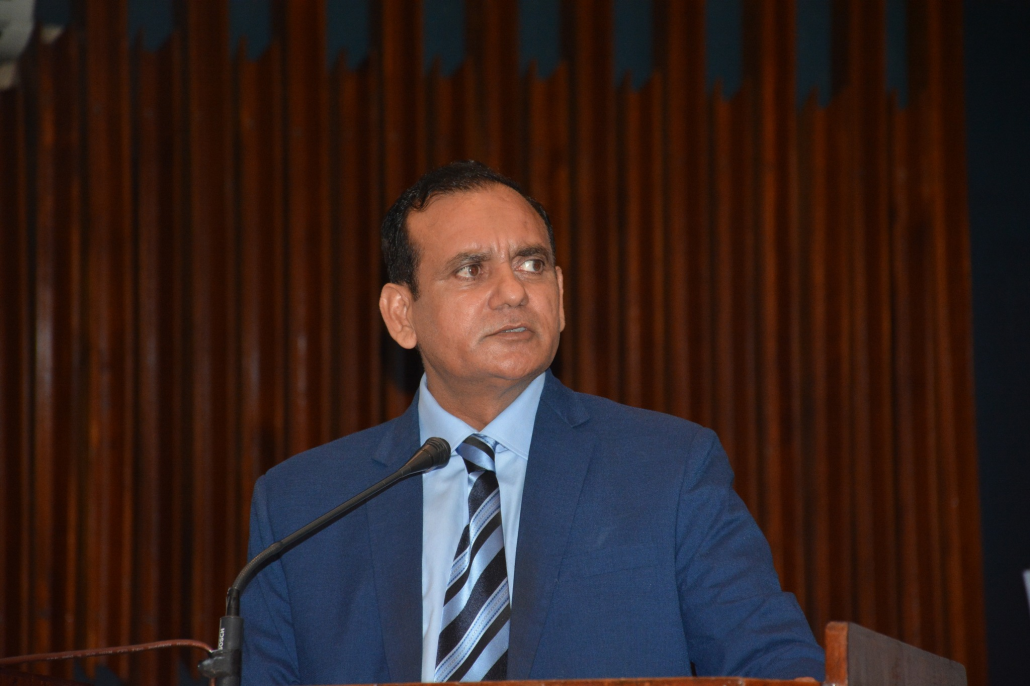
Chief Guest Prof. Dr. Muhammad Mukhtar, Vice Chancellor of National Skills University, stressed the need to link innovation with employability and practical skills. He highlighted “Agentic AI” as an emerging trend and urged universities to translate teaching innovations into workforce readiness and societal impact.
Guest of Honour, Mr. Aftab Ahmad Khan, Secretary General, Pakistan National Commission for UNESCO (PNCU), noted UNESCO’s ongoing work on AI-related training in schools.
In the closing session, Dr. Muhammad Munir Kayani, Conference Chair and Chairperson, Department of Teacher Education, thanked participants and collaborators. He said the conference underscored the importance of inquiry-driven teaching, digital pedagogies, and international cooperation for improving education quality.
https://ird.iiu.edu.pk/wp-content/uploads/2025/09/image.png5821298Abrar ul Aminhttps://ird.iiu.edu.pk/wp-content/uploads/2025/08/Transpirant-300x120.pngAbrar ul Amin2025-09-11 18:01:002025-09-12 07:19:124th International Conference on Teaching and Learning Concludes at IIUI
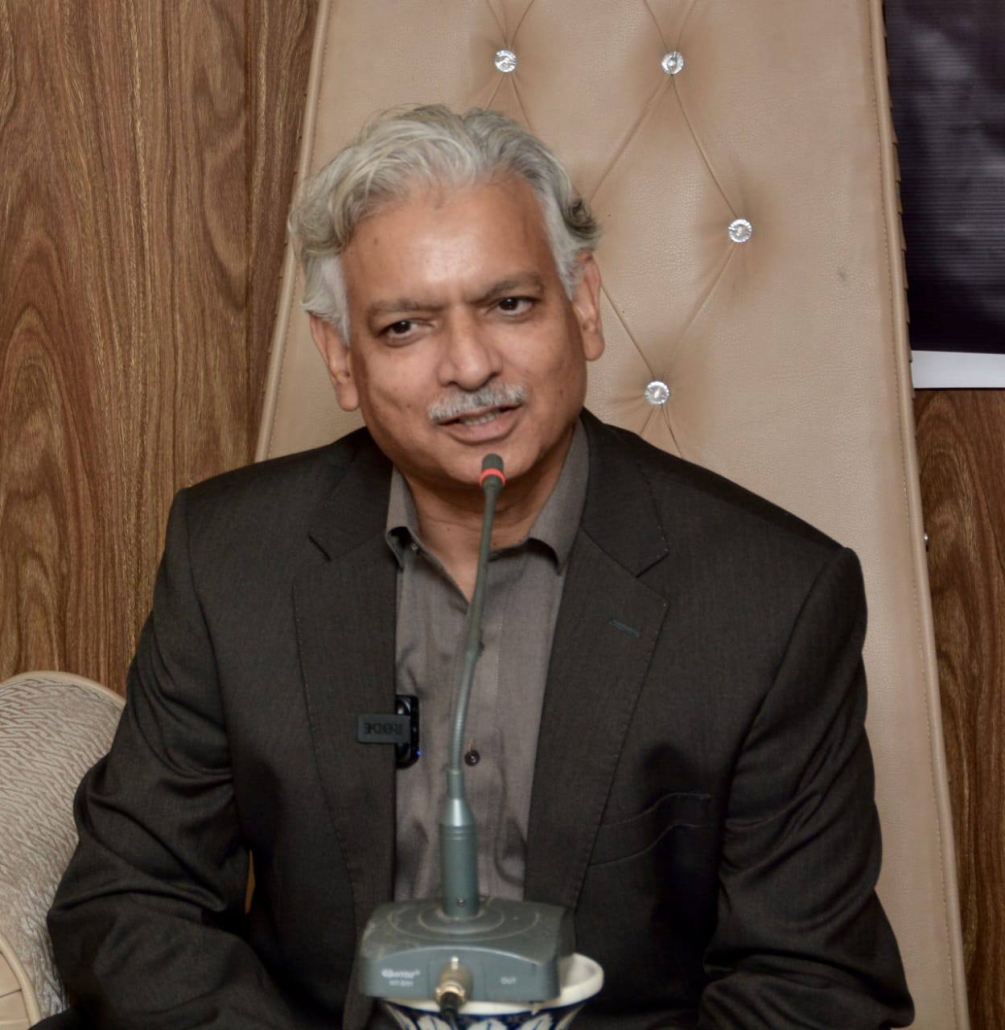
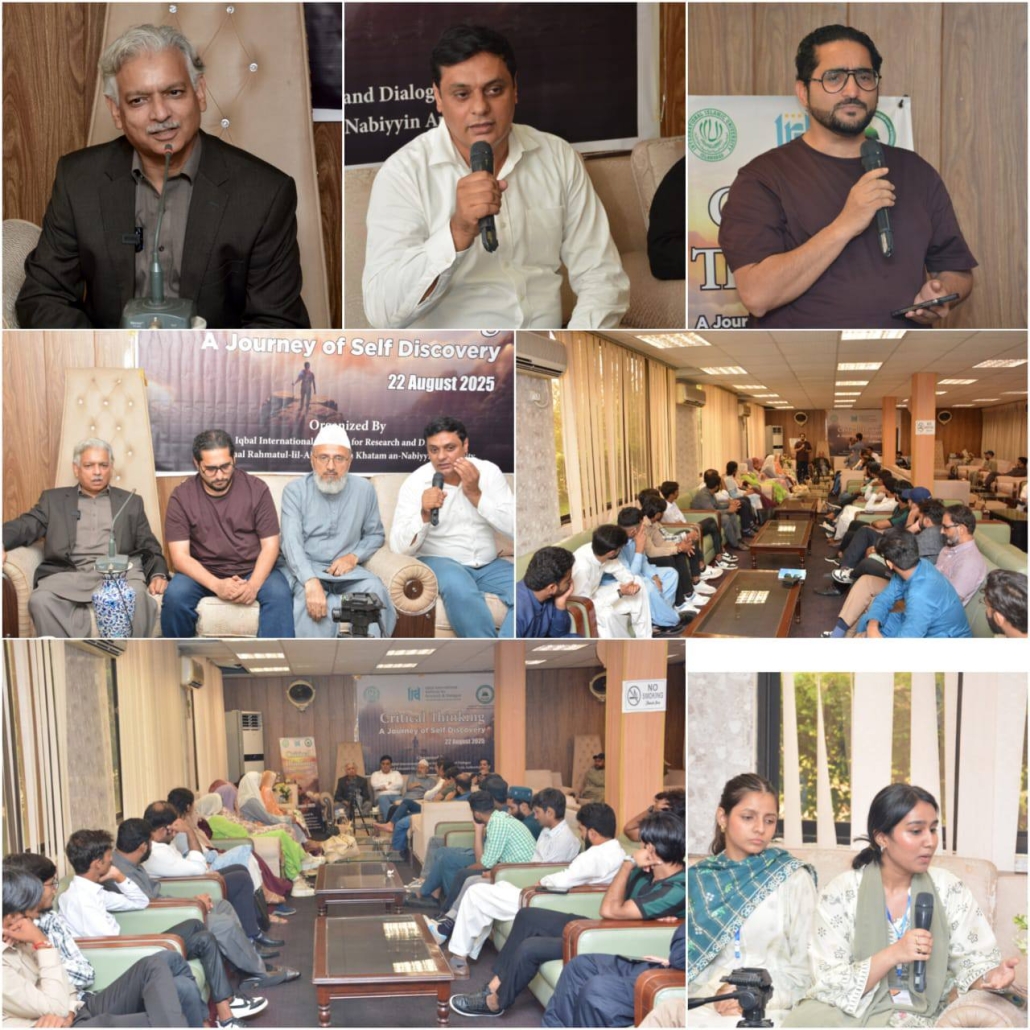
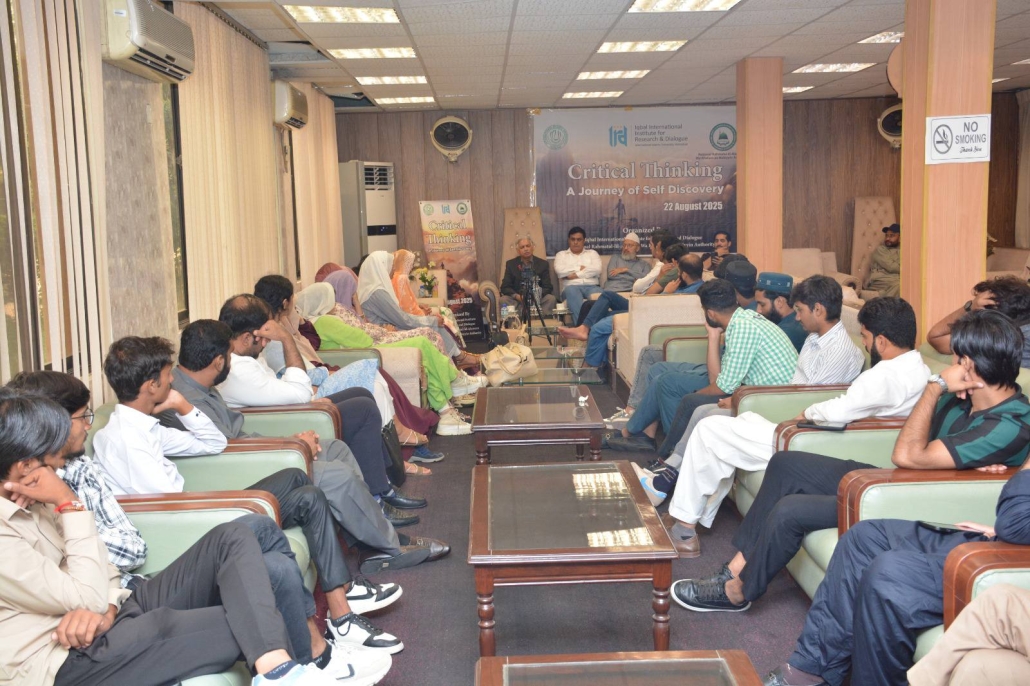
Islamabad: The Iqbal International Institute for Research & Dialogue (IRD) of the International Islamic University Islamabad organized a seminar titled “Critical Thinking: A Journey of Self-Discovery” at the IIUI Old Campus.
Mr. Khurshid Nadeem, Chairman, National Rahmatul-lil-Alameen Wa Khatamun Nabiyyin Authority (NRKNA), in his address, emphasized that self-discovery is central to realizing life’s purpose and building self-confidence. He noted that genuine innovation cannot be achieved without self-realization and urged the audience to adopt critical reflection before accepting any narrative. Referring to Allama Iqbal’s Javed Nama, he underlined the importance of questioning assumptions and seeking deeper meaning in intellectual pursuits.
Earlier, Mr. Nasir Farid, Additional Director IRD, briefed participants on the institute’s vision, mandate, and objectives, as well as the aims of the seminar.
Delivering the keynote lecture, journalist and scholar Mr. Sabookh Syed discussed the role of critical thinking in society and cautioned students against unverified social media narratives. He stressed that information should be verified before sharing to prevent misinformation.
Both speakers agreed that critical thinking strengthens intellectual engagement and opens new avenues for innovation.
The seminar was held for participants of the Fikr-e-Jadeed Tadabbur Fellowship of Idara-e-Fikr-o-Jadeed, who visited IRD under the leadership of Sahibzada Amanat Rasool, Chairperson. The event concluded with an interactive question-and-answer session.
https://ird.iiu.edu.pk/wp-content/uploads/2025/08/539237710_1205820494896416_6552668613000906112_n.jpg13652048IRD Webhttps://ird.iiu.edu.pk/wp-content/uploads/2025/08/Transpirant-300x120.pngIRD Web2025-08-22 18:03:002025-08-25 06:10:11Seminar on “Critical Thinking: A Journey of Self-Discovery” Organized at IRD
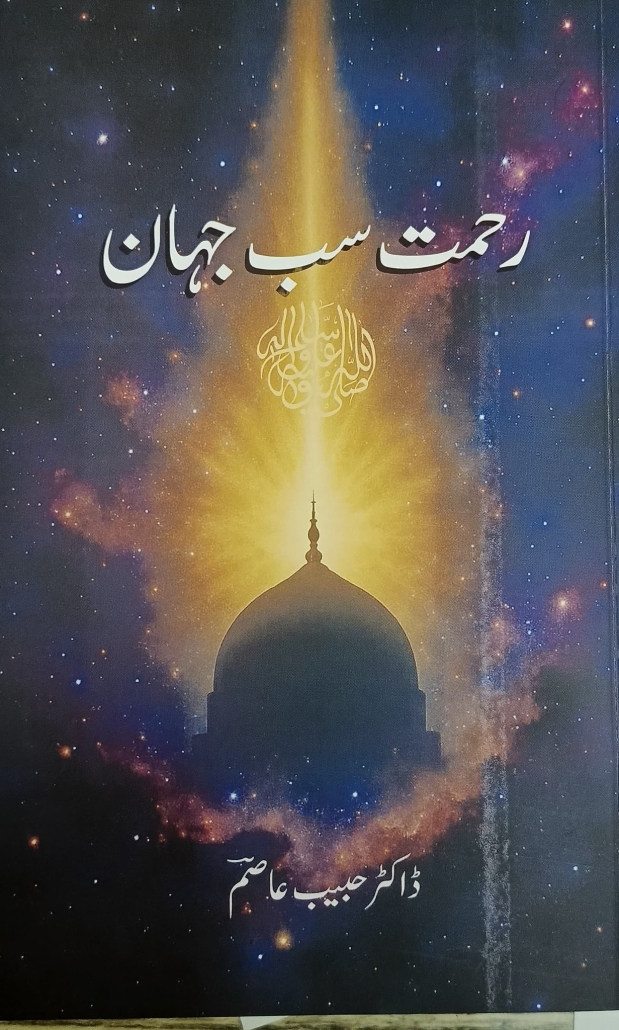
The Iqbal International Institute for Research and Dialogue (IRD) has published its latest book on the life of the Prophet Muhammad ﷺ, titled Rahmat-e-Sab Jahān ﷺ (Mercy to All Worlds ﷺ), authored by renowned scholar Habib ur Rahman Asim. This work is not a mere catalogue of historical events and names; rather, it offers a profound intellectual and spiritual journey. The author sincerely endeavors to uncover the beauty of the Prophet’s ﷺ character, the wisdom in his actions, and the aesthetic grace of his personality in each narrative.
At its core, the book emphasizes that the sacred life of the Prophet ﷺ is not a tale of the past but a comprehensive and living guide for people of all times and places. It holds particular value for those striving to improve their worldly lives and succeed in the hereafter, as every word and deed of the Prophet ﷺ is rich with wisdom and worthy of emulation.
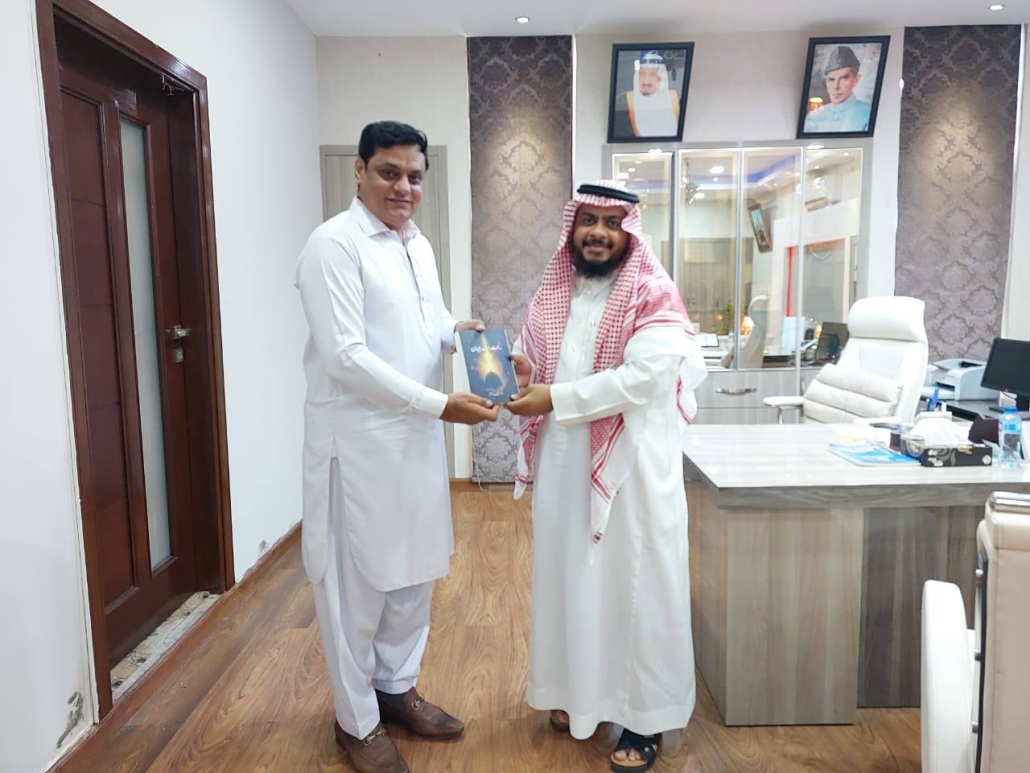
The first copy of Rahmat-e-Sab Jahān ﷺ (Mercy to All Worlds ﷺ) was presented today to the President of the university. Commending the scholarly effort, the President remarked that raising awareness about the life of the Prophet ﷺ is one of the most pressing needs of our time, and this book is a commendable step in that direction.
During the presentation, Mr. Nasir Fareed also briefed the President on the author’s academic contributions. He noted that Prof. Habib ur Rahman Asim previously served as a professor in the Department of Arabic at the International Islamic University Islamabad, and is currently serving as Chairman of the Iqbal Chair at Bahria University.
The book draws upon over fifty authoritative works on the Prophetic biography and numerous scholarly articles, lending it considerable academic depth. Its lucid, meaningful, and engaging prose makes it accessible to general readers, while also serving as a valuable resource for scholars and researchers.
A notable aspect of this publication is that it was completed under the thoughtful guidance and intellectual patronage of the university’s President, who recognized its scholarly importance and considered it a vital extension of the university’s vision—appreciating it as a significant contribution to IRD’s broader mission.
This publication marks a sincere effort to reinforce IRD’s research impact and to reimagine the study of the Prophetic biography as an intellectual, aesthetic, and actionable pursuit. Rahmat-e-Sab Jahān ﷺ (Mercy to All Worlds ﷺ) invites readers to reflect upon themselves through the mirror of the Prophet’s ﷺ life, to refine their character, and to improve their moral outlook. It is a valuable gift for all those who wish to illuminate their hearts and minds with the light of the Prophetic example.
https://ird.iiu.edu.pk/wp-content/uploads/2025/08/528686600_1192905546187911_219270408872516740_n.jpg9601280IRD Webhttps://ird.iiu.edu.pk/wp-content/uploads/2025/08/Transpirant-300x120.pngIRD Web2025-08-08 16:37:002025-08-11 07:47:07IRD Releases New Book: Rahmat-e-Sab Jahān ﷺ (Mercy to All Worlds ﷺ) — A Distinctive Work on the Prophetic Biography with Intellectual and Aesthetic Insight